
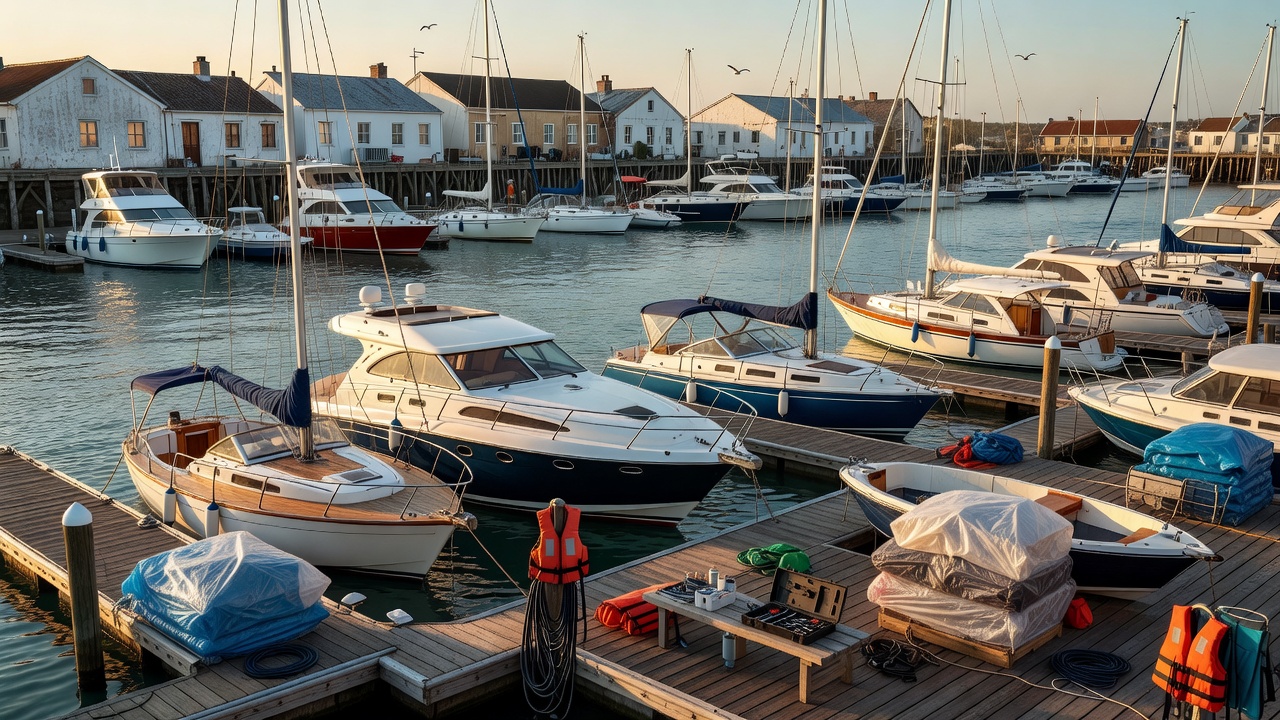
The sticker price of a boat is the most visible number — and the most misleading. Insurance, storage, fuel, maintenance, equipment and depreciation can together add thousands of dollars a year. This guide walks through every cost category, then compares ownership with renting, peer-to-peer platforms and boat clubs so you can decide what really works for your family.
1. The purchase price
For the boats in our top five, new prices range from around $45,000 for a well-equipped 22-foot pontoon to $190,000 for a premium 24-foot dual console. Remember to budget for:
- Trailer: often bundled, but sometimes $3,000–$8,000 extra.
- Sales tax and registration: varies widely by state.
- Dealer prep and freight fees: commonly several thousand dollars.
- Safety gear and accessories: life jackets, fenders, lines, anchor and toys — $1,000–$3,000 at the start.
Many families finance boats. Marine loans often run 10–20 years; a longer term lowers payments but increases total interest and the risk of owing more than the boat is worth.
2. Annual running costs
| Category | Typical rule of thumb |
|---|---|
| Maintenance & repairs | Around 10% of the boat's value per year is a commonly used planning figure |
| Insurance | Often about 1–2% of value per year, depending on location and experience |
| Storage | $0 at home on a trailer; dry stack or slip from hundreds to many thousands per season |
| Fuel | Depends on engine and hours — budget $1,000–$4,000 per season for a family runabout |
| Winterising & launching | $300–$1,000+ per year in colder climates |
3. Depreciation
Like cars, boats lose value fastest in their first few years. Premium brands with strong reputations — Boston Whaler is a classic example — tend to hold value better. Buying a well-maintained two- to four-year-old boat can let someone else absorb the steepest depreciation, though you should always commission an independent marine survey before buying used.

4. The alternatives
Traditional rentals
Marinas in most boating areas rent pontoons and bowriders by the half-day or day. Expect roughly $300–$900 per day for family-sized boats depending on location and season, plus fuel. Rentals are ideal for testing which boat type your family enjoys before buying.
Peer-to-peer platforms
Services such as Boatsetter and GetMyBoat let you rent privately owned boats, often with the option of a captain. They offer far more variety than marina fleets — including catamarans and yachts.
Boat clubs
Membership clubs such as Freedom Boat Club give access to a fleet of maintained boats at multiple locations. Pricing varies by location but generally combines a one-time entry fee in the thousands with monthly dues. Clubs handle maintenance, cleaning, insurance and storage, and most include training — excellent for busy families who boat a few times a month.
Charters
For holiday trips, bareboat or crewed charters — like a week aboard a Lagoon 42 catamaran — deliver incredible experiences without the cost of ownership.
5. Which option fits your family?
- Buy if you live near the water, will boat more than 20–25 days a year and enjoy tinkering.
- Join a club if you boat regularly but want zero maintenance and variety.
- Rent or use peer-to-peer if you boat a handful of times a year or are still deciding.
- Charter for annual family holidays in spectacular cruising grounds.
Tip: add up your realistic annual days on the water, then divide your full ownership cost by that number. Comparing the "cost per family day" to rental and club prices often makes the decision obvious.